


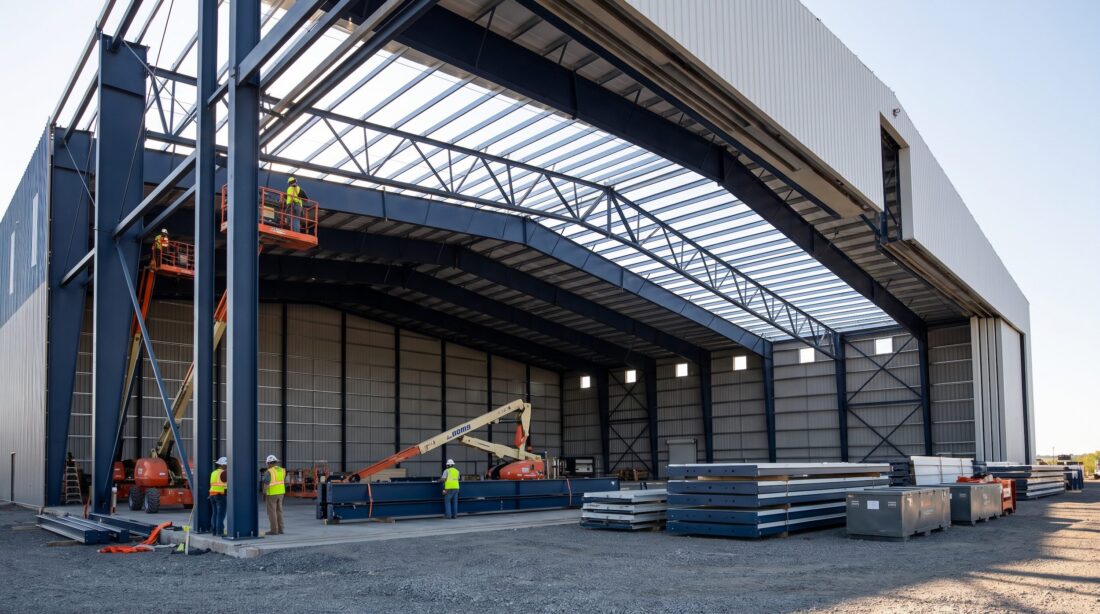
What Is Division 13 Construction?
A Plain-Language Guide for Developers and Project Owners
PEMB builders are familiar with the term Division 13, but the investors, partners, and project owners they work with may not be.
For those seeking a better understanding of this designation, here’s a primer—with answers to some of the most frequently-asked questions.
What does Division 13 refer to?
Division 13 refers to a section of the MasterFormat® system developed by the Construction Specifications Institute (CSI).
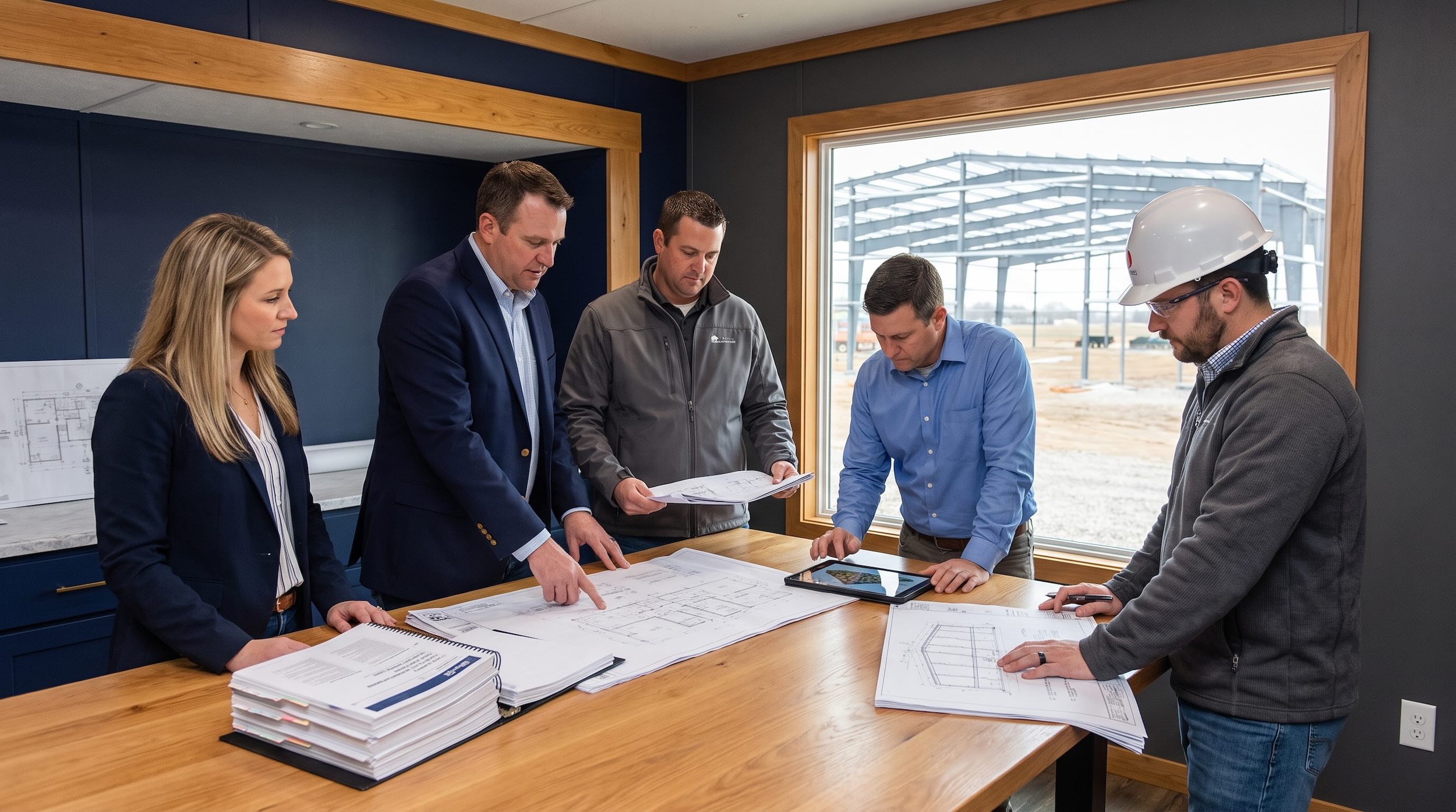
What is the Construction Specifications Institute?
The Construction Specifications Institute is a nonprofit organization, created in 1948, “dedicated to improving the communication of construction information throughout continuous development and transformation of standards and formats, education and certification of professionals to improve project delivery processes.”
What is MasterFormat®?
MasterFormat® is CSI’s manual containing specifications and cost data for all types of commercial and institutional construction. It is presented in outline form with 50 divisions, each covering a different phase of the construction process.
Who uses MasterFormat®?
MasterFormat® is used by contractors, engineers, architects, estimators, and others to create contracts, designs, and construction specifications. After construction is completed, building managers use it to manage maintenance schedules and other operations.
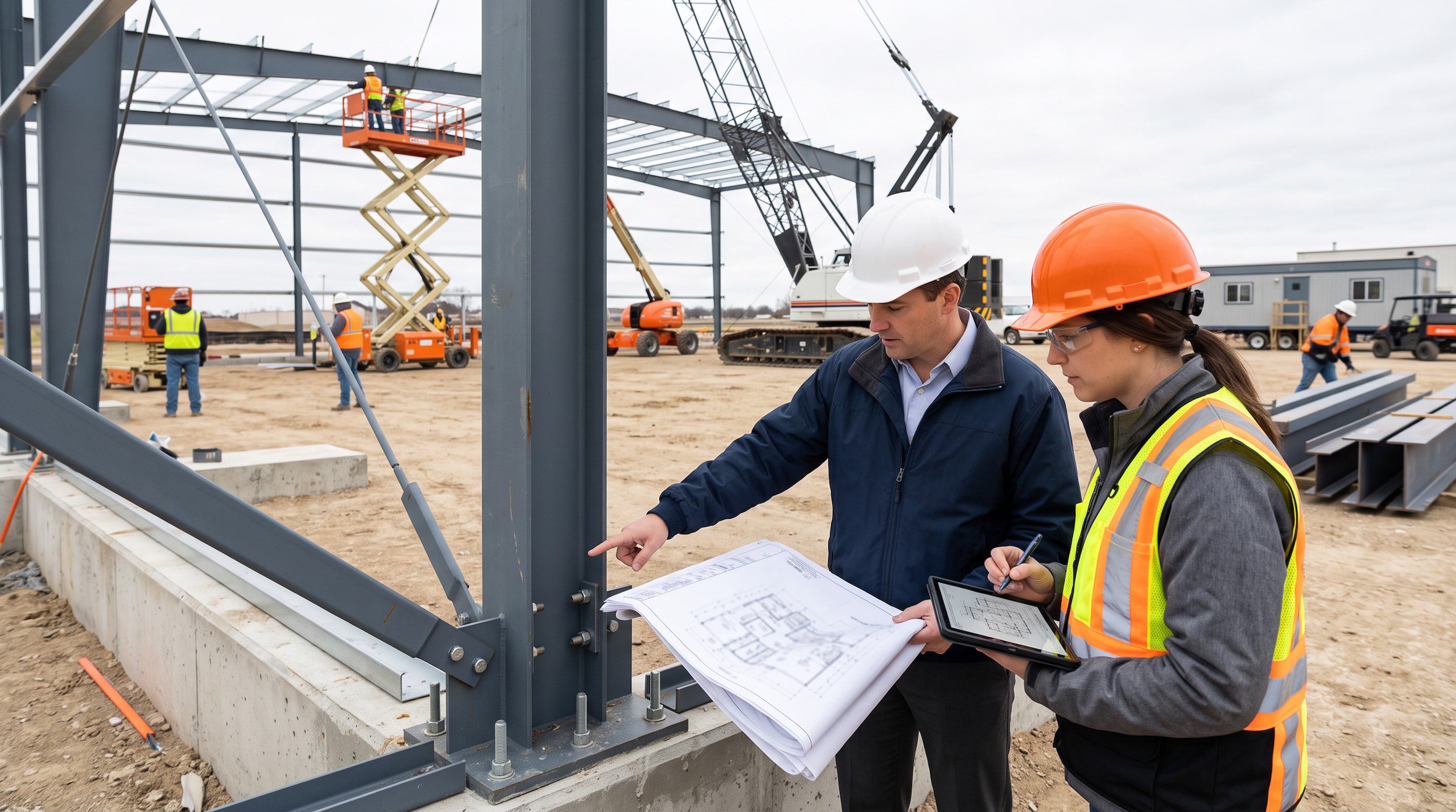
Are contractors required to comply with MasterFormat® specs?
Contractors are not required by law to comply with MasterFormat®, but its specifications are universally accepted in today’s construction industry and specified in most contracts. In such cases, contractors and others are bound by its terms.
What is included in Division 13?
Division 13, called the Special Construction division in MasterFormat®, contains specifications for various nontraditional structures, including pre-engineered metal buildings. It also deals with controlled environments such as sound studios, hyperbaric chambers, and cleanrooms. It covers popular commercial structures such as skating rinks, bowling alleys, and swimming pools, along with many other specialized structures.
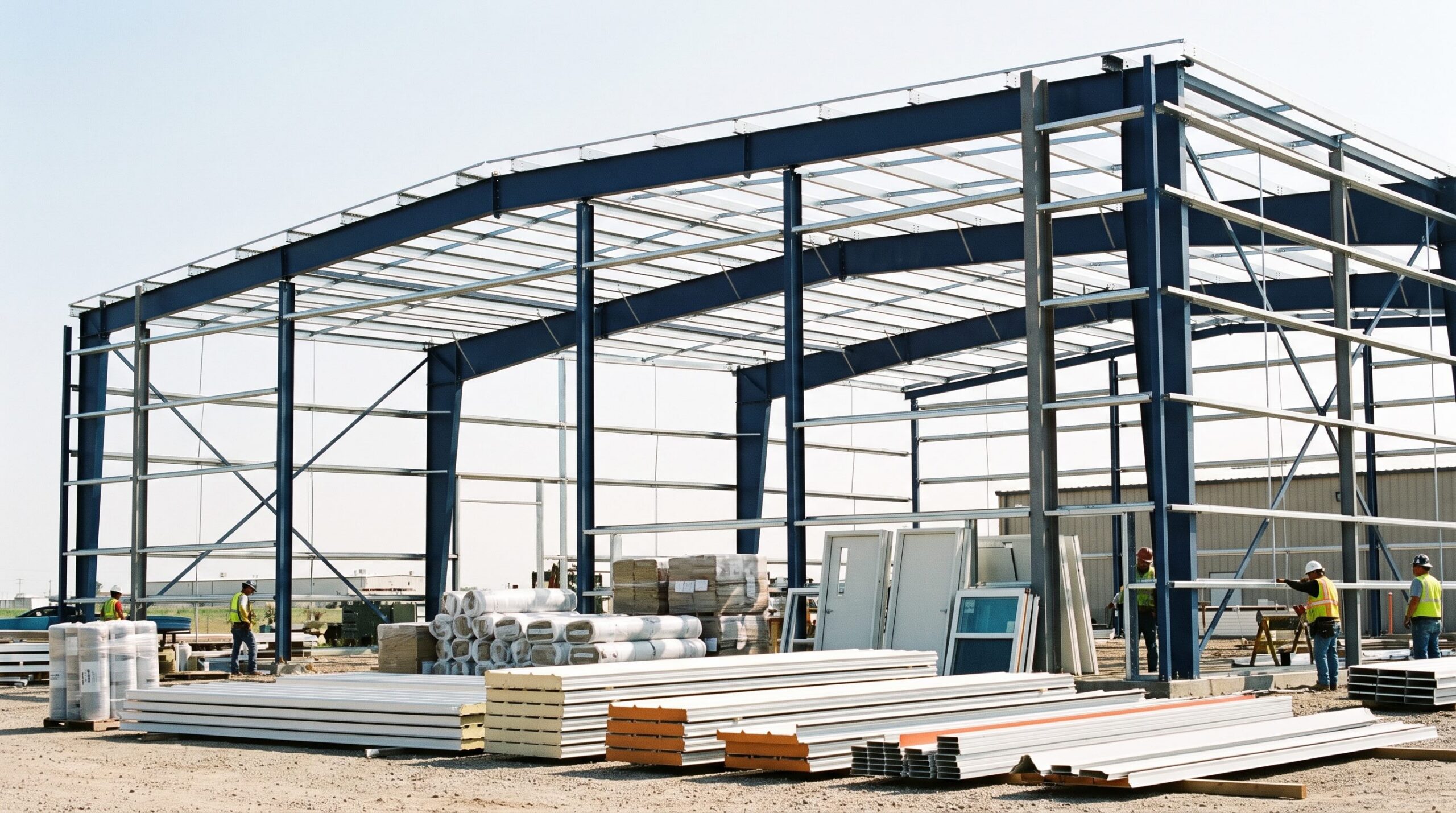
What specifications for PEMB are included in Division 13?
Specs for metal building systems are covered in Section 13 34 19 of MasterFormat®.
Among other things, this section addresses:
- Main frame components (columns, rafters, end wall posts, bracing)
- Secondary frame members (girts, purlins)
- Design issues (clear span vs. multi-span frames, structural load requirements)
- Roof and wall panels
- Insulation
- Doors, windows and trim elements
Are certifications required for Division 13 PEMB Construction?
Yes. For instance, PEMB designs must be prepared and stamped (signed) by licensed professional engineers.
Other certifications may not be explicitly mentioned in Division 13, but are often mandated by state, local, or federal regulations, or stated in contract terms:
- OSHA regulations. The federal Occupational Safety and Health Administration (OSHA) offers certifications for workers in various specialized construction trades, such as carpenters, electricians, and heavy equipment operators. These certifications, though not required by federal law, may be required by state statutes.
- AC478® accreditation. The International Accreditation Service awards AC478® accreditation to contractors that meet its stringent standards regarding safety, building procedures, and quality control. This accreditation is widely viewed as the gold standard for excellence in the construction industry.
- State and local requirements. Each jurisdiction has its own certification requirements for construction contractors and their subcontractors.

Who are the key players in Division 13 construction?
The primary operators in the specialized field of Division 13 construction are the owners, investors, designers, contractors, and manufacturers who deal regularly with unusual structures: skating rinks, car washes, swimming pools, sound studios, storm shelters, bank vaults, and pre-engineered metal buildings (PEMB).

When is it important to work with a Division 13 specialist?
There’s a reason why Division 13 refers to special construction. These are projects that fall outside the normal experience of building contractors. They include such specialty structures as radiation-shielded enclosures and cleanrooms (environments free of particulate contamination). It would be unthinkable to entrust such projects to contractors without the appropriate experience and expertise.
Pre-engineered metal buildings also represent a specialized field within the construction industry. Their structure and uses often entail considerations that don’t apply to other buildings.
For example:
- PEMBs are ideal for projects that require large clear spans (open areas without intermediate support members). These must be carefully engineered by designers with appropriate experience.
- PEMBs are often used to store items that are extraordinarily heavy and large, such as aircraft, cranes, or other heavy equipment. This calls for a careful calculation of load bearing requirements, which affect everything from the frame to the foundation.
Division 13 naturally includes very specific and detailed specs for PEMBs, which can seem overwhelming for contractors not familiar with them.
A PEMB contractor that specializes in Division 13 construction will already know the requirements and the pitfalls. Knowing what to do and what to avoid is all-important in this field. The result: an efficient, expedited construction process with few surprises, setbacks, or change orders. That means cost savings and fewer headaches for the client.
Read This Next:
