
The Hybrid Steel Building: Managing the Interface Between Cold-Rolled and Conventional Steel
Learn how to manage the interface between conventional steel and cold-formed steel in PEMBs to prevent delays, alignment issues, and costly rework.
PEMBs are a permanent and growing part of America’s commercial and industrial construction output. And yet, misconceptions linger in the public mind regarding their usefulness and appeal. We’ll tackle those issues head-on—and reveal some surprising facts about the surging PEMB trend.
Today’s pre-engineered metal buildings (PEMB) are built to function well in all kinds of weather, with features such as state-of-the-art insulation and cool roofing. But there are further steps building owners and managers can take to keep their PEMBs operating efficiently in the summer heat.
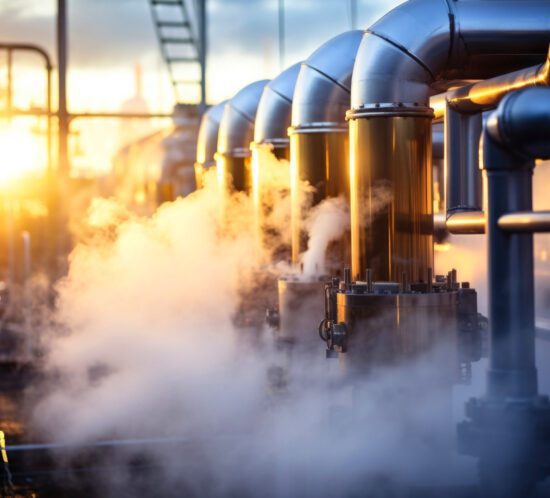
In the rush to find non-carbon energy sources for buildings, one alternative is gaining notable traction: geothermal heating and cooling systems. These systems are already being used effectively in residential and commercial structures. And with strong government support, their use is bound to increase.
Pre-engineered metal buildings (PEMB) come in a wide variety of sizes, shapes and styles, depending on their intended use. They generally include certain basic components, all of which together make them amazingly strong, reliable, and cost-efficient.
Every locality is prone to disasters, natural or otherwise. Wise builders nowadays factor the risk of such events into their designs. Local planners and zoning departments also incorporate the known hazards into their regulations and guidelines for new construction. This ethos is known as disaster-resistant,
Here at FSE, we’re one of the nation’s leading large-scale pre-engineered metal building (PEMB) structural steel erectors. As such, for those of you unfamiliar with the world of PEMB, we thought it would be a good idea to present a general overview of this dynamic
One of the best ways for general contractors to avoid the difficulties associated with back charges is to skip the need to issue them. By hiring reputable subcontractors with realistic pricing, GCs can often save money over the length of a project.
View the FSE spring project gallery and see why general contractors throughout the US rely on us to help them expand their capabilities footprint.
Today, we use steel to produce everything from sewing needles to skyscrapers. But the technology has come a long way, and steel is now available in many different forms. For anyone involved in large-scale construction, it’s helpful to get familiar with the various kinds of