

ABC Excellence in Construction Award
Recognizing the Team Behind Fleming Steel Erectors’ Award-Winning OCAT Project
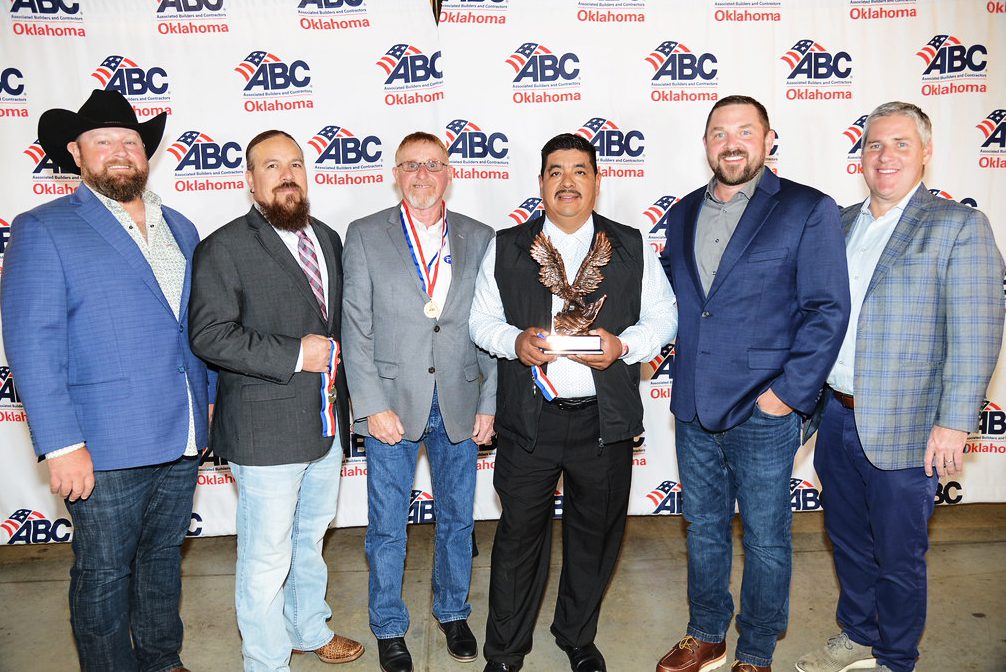
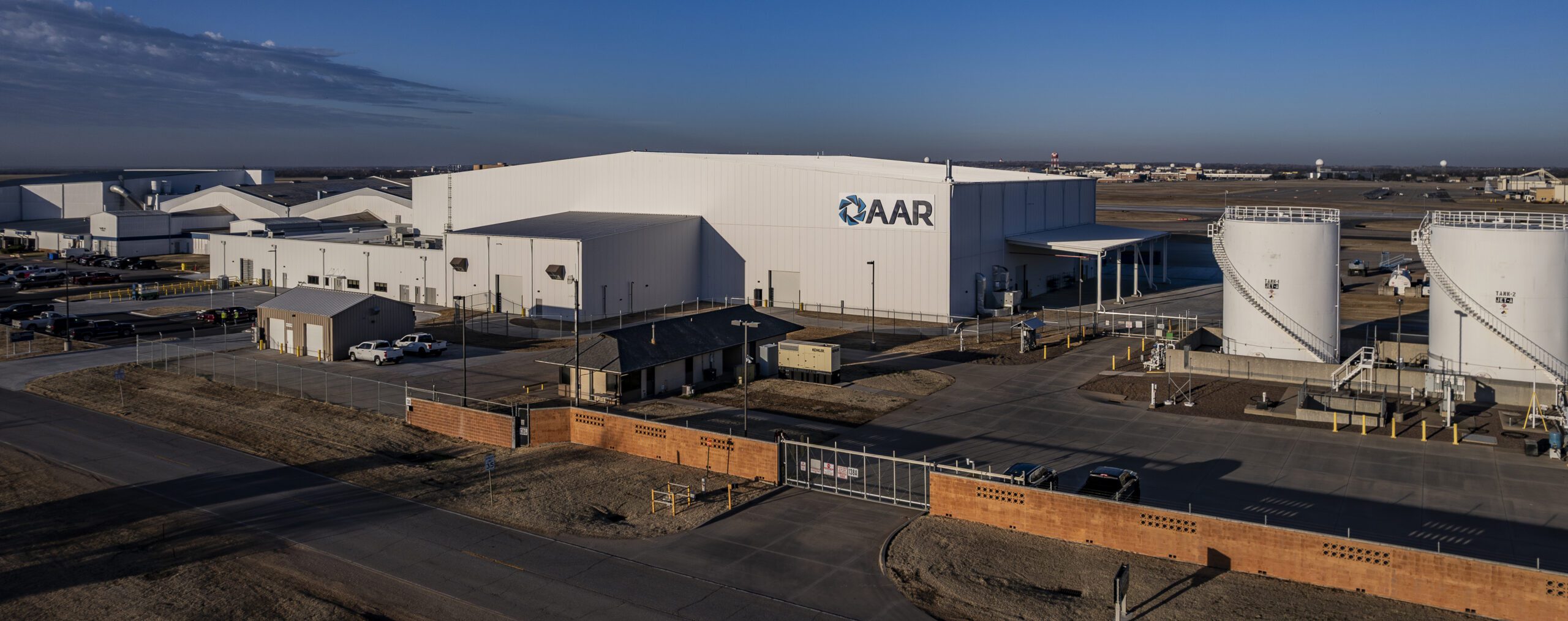
Fleming Steel Erectors’ work on OCAT’s 80K SF MRO Facility Expansion has earned us an ABC of Oklahoma Excellence in Construction Award, and we couldn’t have done it without our amazing team!
For Project Manager Kyle Upton and National General Superintendent Scott Inman, the award reflects the crew’s persistence, commitment to safety, and willingness to support one another through 15 months of highly demanding construction.
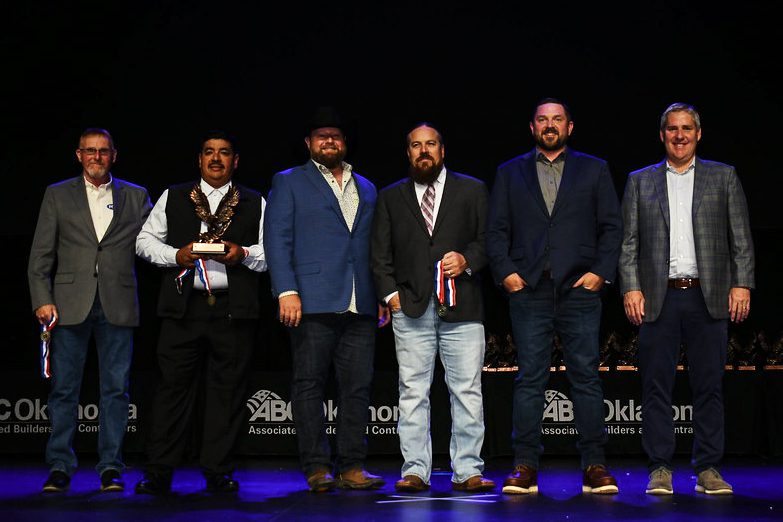
In addition to Upton and Inman, FSE would like to specifically recognize the efforts of three additional key team members who made this project a success: senior Project Manager Doug Pettijohn, Superintendent Mauricio Chicas and Superintendent Paul Hubbard. Pettijon worked alongside Upton through nearly the entire project, and helped him navigate its complexity and maintain progress. Superintendent Mauricio Chicas led the erection crew, and Superintendent Paul Hubbard handled coordination responsibilities alongside Chicas after Inman got the project launched.
The OCAT Hangar – A Complex Build Situated in a Challenging Environment
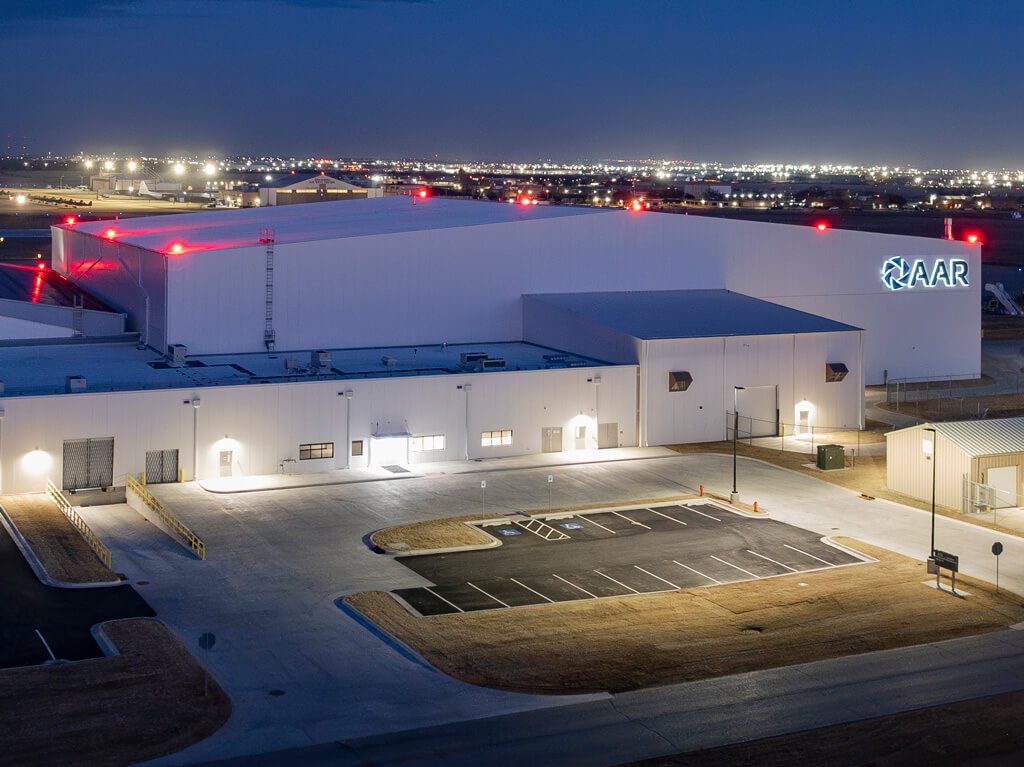
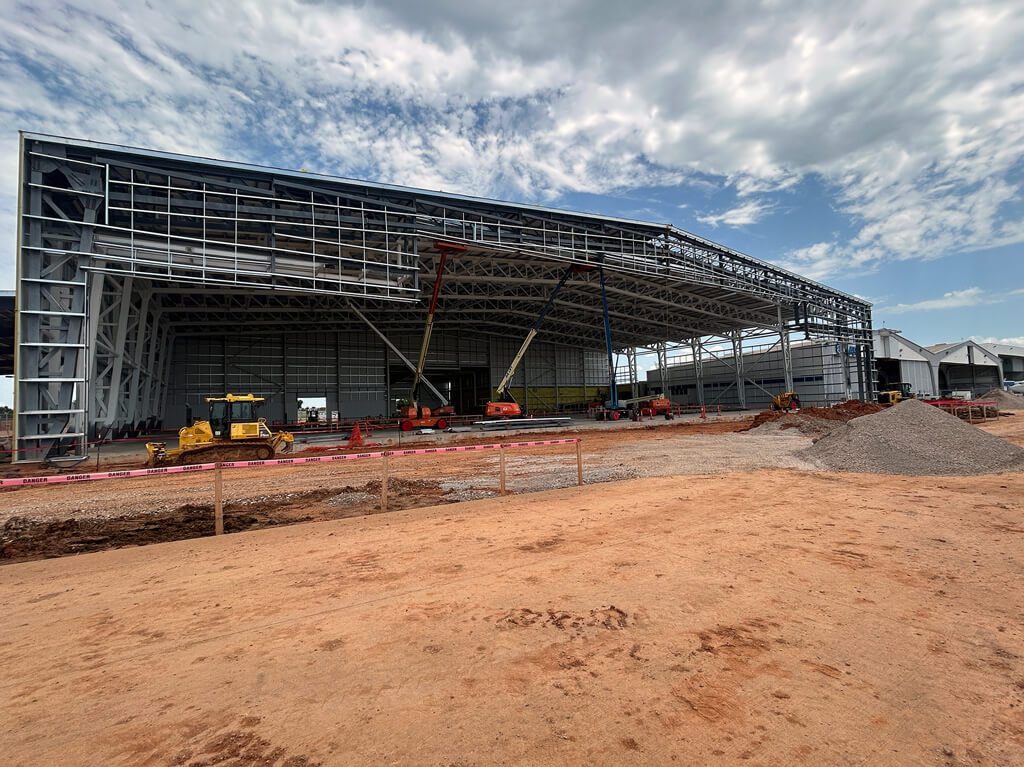
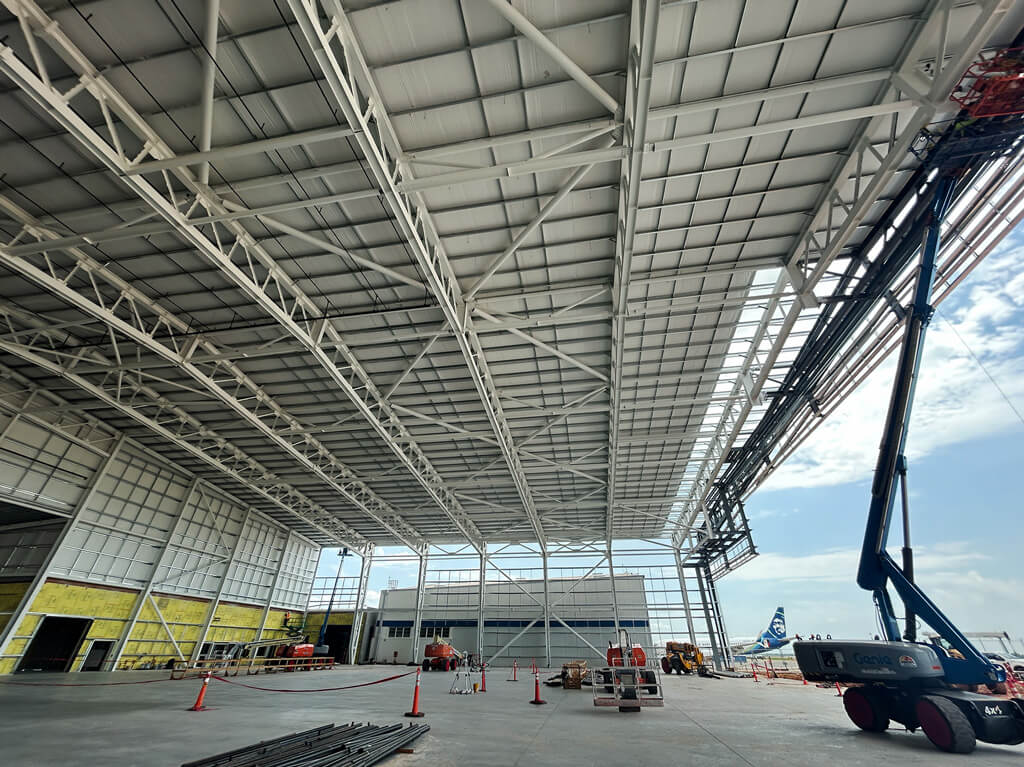
The OCAT hangar was a complex project with many moving parts. Structurally, the 300+ foot clear span necessitated extensive planning and coordination to maintain stability during erection. Situated just fifty feet away from an active runway, the build required constant vigilance from all team members to maintain an impeccably clean jobsite.
To keep the project moving forward despite the challenges that come with working within a FAA regulated airport, FSE relied on a dual superintendent strategy. This strategy allowed for a division of responsibilities that gave the field team the attention it needed while maintaining communication with the developer and general contractor.
Staying Focused Through Demanding Work
One of the clearest demonstrations of FSE’s exceptional teamwork came during the placement of the long-span rafters.
Two cranes were required to lift approximately 150-foot rafter sections from opposite sides of the building. Crews worked at the columns and from boom lifts to connect the sections at the center, coordinating their movements through hand signals and constant communication.
The coordination required to safely manage this lift was impressive,” said Upton. “Every person had a role, and the work depended on each person understanding what needed to happen next.
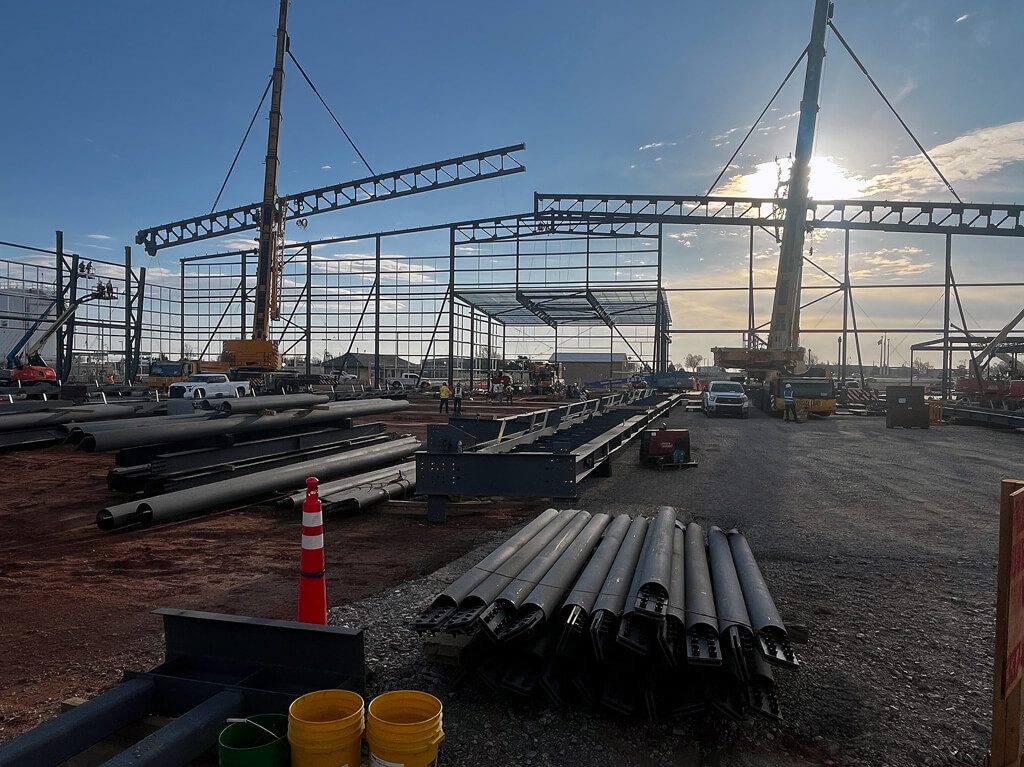
Managing the lifts required an unusual level of commitment. Once the steel was suspended, the crew had to complete the connections and bracing required by the engineers before the cranes could be disconnected.
This aspect of the project required long hours, and the crews needed to maintain their focus and keep working safely throughout the duration.
The team’s willingness to keep going, help one another, and concentrate on the next task were crucial to safely managing this aspect of the project, said Upton.
Working Through Problems Together
The work also required the team to respond when conditions differed from expectations.
When the long-span framing settled more than anticipated, field leaders worked with Butler to develop engineered adjustments.
The situation required close communication between the people installing the building and those responsible for reviewing and approving the solutions. The field team’s observations were essential to moving that process forward.
Our team was faced with multiple unforeseen issues on this project and everyone stepped up to the challenge to come up with a plan to accomplish every one of them, Upton said.
He credits the superintendents’ dedication to safety and quality with helping the team work through those issues.
Making Safety Everyone’s Responsibility
Working beside an active runway added another responsibility to the crew’s daily work: keeping debris from reaching the airfield.
Wind-blown materials and trash could become foreign object debris. Keeping the site clean required everyone to pay attention throughout the day. That daily attention supported a broader coordination effort that included weekly meetings with the trades, supervisor safety meetings, daily job hazard analyses and safety talks with the FSE team, and superintendent safety walks.
For the crew, safe execution depended on maintaining those habits through changing conditions and demanding work.
Recognition for the People Who Made It Happen
Looking back, Upton sees OCAT as a project that strengthened his confidence and broadened his experience. He also sees it as evidence of what a team can accomplish when people have support and are willing to work through problems together.
For Inman, the award gives the crew recognition for work that is not always apparent in a finished building: the preparation, the long days and the care required to complete difficult tasks.
The 15 months of hard work spent on this project did not go unnoticed; we rallied around each other when there were difficult tasks and special requirements, Upton said.
The OCAT award recognizes a completed project. For the people who built it, it also recognizes the daily effort they put into getting there—and the teammates they relied on along the way.
Go to the Featured Project page
Read the official Press Release
Read This Next:
