August 28, 2025
PEMB Mistakes
From foundation issues to bolting errors, discover the critical PEMB construction pitfalls that compromise safety and cost.




From foundation issues to bolting errors, discover the critical PEMB construction pitfalls that compromise safety and cost.

Today’s PEMBs are at the forefront of smart technology, sustainable design, and esthetic innovation. And the future promises even more extraordinary advances.
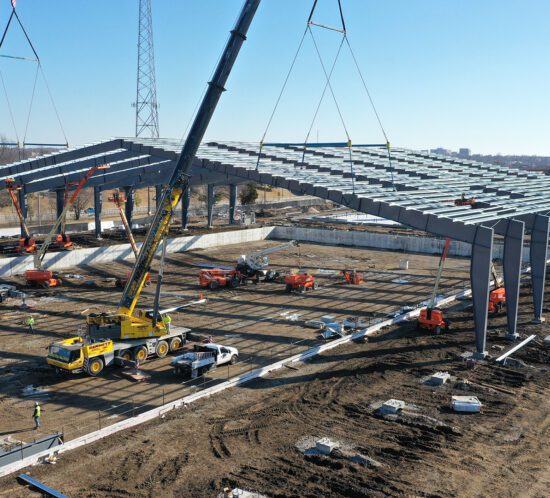
PEMBs are a permanent and growing part of America’s commercial and industrial construction output. And yet, misconceptions linger in the public mind regarding their usefulness and appeal. We’ll tackle those issues head-on—and reveal some surprising facts about the surging PEMB trend.

A lot goes into the construction of pre-engineered metal buildings (PEMB). But much of the process takes place out of public view. Here’s a description of a PEMB project, from start to finish.

Construction companies are particularly sensitive to cash flow issues because of the complex, layered nature of the building process.. To maintain solvency, companies must make sure their cash reserves are adequate to meet every demand.

Recent events have reminded us all of the destructive power of nature. And they prompt us to look again at the ability of our structures to withstand nature’s fury. Fortunately, today’s metal building components stand up exceptionally well even in the worst disasters.

Often used as a secondary preventive measure, passive fall protection involves the use of stationary systems and objects to guard against falls. The benefits of this approach are many: passive fall protection systems can be relatively inexpensive compared to outfitting individual workers with PPE.

Virtually every region is subject to some sort of extreme weather. Metal buildings are surprisingly resilient in the face of most destructive weather events, even in comparison to more conventional and expensive designs. Here’s a look at some of the common weather threats and how

Metal building systems clearly offer more than convenience for their owners and users; they provide significant, tangible economic benefits as well. It’s no surprise that they represent an ever-increasing share of new construction in the U.S. and elsewhere.

Profitability in a construction project depends on maintaining productivity at the jobsite. There are several areas where a few strategic changes can help managers bring inefficiency down and productivity up. It starts before the first worker arrives at the site—at the planning stage.